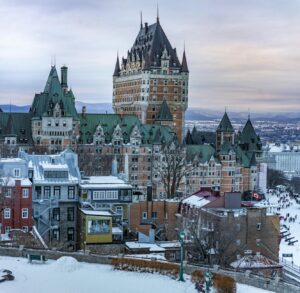
Omni Parker House: Discover America’s Oldest Continuously Operating Hotel History
The Omni Parker House holds a special place in American hospitality as the country’s oldest continuously operating hotel. Nestled in the heart of Boston, Massachusetts, this historic establishment has been welcoming guests since 1855. The Parker House is not just a hotel; it is a living museum that carries the footprints of literary legends, political figures, and cultural icons. Exploring its rich history offers a fascinating glimpse into America’s past and the evolution of the lodging industry.
A Legacy Rooted in History
The story of the Omni Parker House begins in the mid-19th century when proprietor Harvey Parker opened its doors in 1855. The hotel quickly became a hub of social and political activity in Boston. Its central location in the city’s downtown area made it a favored spot for politicians, artists, and intellectuals. The Parker House witnessed key moments in American history, including the Civil War and the rise of Boston as a cultural center.
One of the most remarkable aspects of the Parker House’s history is its uninterrupted service to guests. Unlike other historic hotels that closed or changed their function through the years, the Parker House has maintained a continuous operation since its inception, a fact that underscores its resilience and timeless appeal.
A Hub for Literary and Cultural Giants
The Omni Parker House is renowned for its association with numerous literary luminaries. Charles Dickens stayed at the hotel during his visits to America and was said to be inspired by its ambiance when writing some of his works. The hotel is also famously connected with the poet Robert Frost, who made the Parker House his Boston residence for many years.
In addition, the hotel was the birthplace of several iconic American culinary creations, including the Boston Cream Pie and the Parker House Roll, both of which have become staples in American cuisine. The creation of these recipes highlights how the hotel has influenced not only American hospitality but also its culinary traditions.
Innovations and Renovations Over Time
Throughout its long history, the Omni Parker House has not merely rested on its laurels. It has evolved with the times while preserving its historic charm. The hotel has undergone numerous renovations to upgrade its facilities and services, ensuring guest comfort without sacrificing the original architectural beauty.
One notable renovation took place in the 1980s when the hotel was restored to enhance its historical features while integrating modern amenities. These updates included state-of-the-art conference spaces, lavish guest rooms, and contemporary dining options. The careful balance between preservation and innovation has allowed the Parker House to remain competitive and relevant in today’s hospitality market.
The Omni Parker House Today
Today, the hotel is part of the Omni Hotels & Resorts brand, which maintains its esteemed reputation for luxury and service excellence. The Omni Parker House continues to attract diverse audiences—tourists eager to experience a piece of history, business travelers attending conferences, and locals who frequent its renowned restaurants.
Visitors can immerse themselves in the hotel’s storied past by touring its elegant public spaces, which feature original artwork, antique furnishings, and plaques commemorating historical events associated with the property. Whether enjoying afternoon tea or attending a gala event, guests can feel connected to the legacy of the many famous individuals who have stayed there.
Why the Omni Parker House Stands Out
Several factors contribute to the Parker House’s distinction as America’s oldest continuously operating hotel. Its unparalleled historical significance, architectural beauty, and unbroken tradition of hospitality set it apart from other historic lodging establishments. Moreover, the hotel’s ability to adapt through changing times, including surviving economic downturns and urban development pressures, demonstrates its importance to Boston’s cultural fabric.
By preserving its heritage while embracing modern comforts, the Omni Parker House offers more than just accommodations—it offers an experience steeped in history and tradition.
Conclusion
The Omni Parker House is more than a hotel; it is a testament to the enduring spirit of American hospitality. Its continuous operation since 1855 makes it a rare institution where history, culture, and modern luxury intersect. For anyone interested in experiencing a piece of America’s past while enjoying top-tier accommodations, the Parker House remains an unparalleled destination. Discovering its history reveals not only the story of a hotel but also the story of a nation’s growth, creativity, and resilience.